




Type
Read More
Type
Photo
AI Chat


-
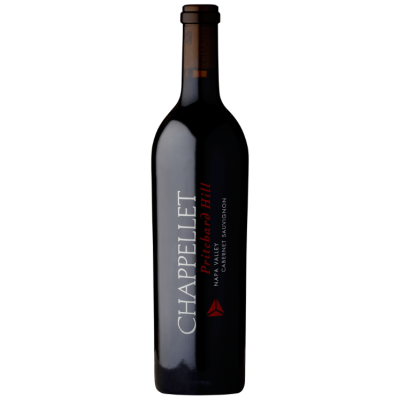 (1x75cl) 2012
Vinous (94+)
The 2012 Cabernet Sauvignon Pritchard Hill is rich and explosive, with tons of concentration, depth and structure. Dark blue and black fruit, mocha, smoke, menthol, licorice and spices all burst from the glass as this huge, tannic Cabernet Sauvignon shows off its pure class. Readers will have to be patient with the 2012, a wine that will blow the roof off the house with its unbridled power.Inc. GSTSG$925.22 -
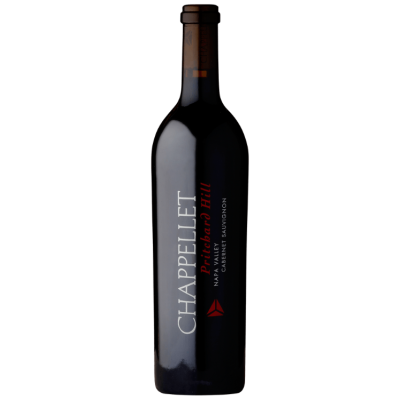 (1x75cl) 2013
Vinous (96)
A deep, inky wine, the 2013 Cabernet Sauvignon Pritchard Hill exudes richness and concentration. Blackberry jam, crème de cassis, graphite, mocha, smoke and spices meld together as this ample, structured Cabernet Sauvignon shows off its personality. The Pritchard Hill is made in a ripe, concentrated style that is quite typical of the vintage. At the same time, the impact of heavier extractions and more new oak also shapes the wine to a significant degree. I am not sure the Pritchard Hill is meaningfully more complex than the Signature, but it is quite striking just the same. As good as the 2013 is today - and it is terrific - my sense is that it would be even better with less oak influence. This is an especially somber, virile Cabernet Sauvignon from Chappellet.Inc. GSTSG$581.59 -
Vinous (96)
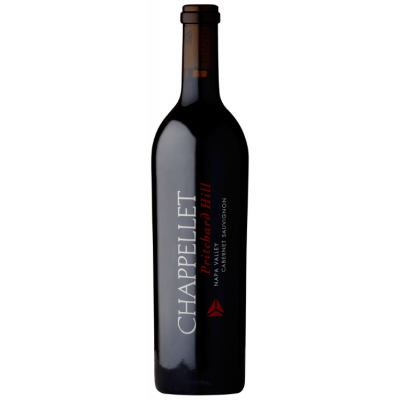
A deep, inky wine, the 2013 Cabernet Sauvignon Pritchard Hill exudes richness and concentration. Blackberry jam, crème de cassis, graphite, mocha, smoke and spices meld together as this ample, structured Cabernet Sauvignon shows off its personality. The Pritchard Hill is made in a ripe, concentrated style that is quite typical of the vintage. At the same time, the impact of heavier extractions and more new oak also shapes the wine to a significant degree. I am not sure the Pritchard Hill is meaningfully more complex than the Signature, but it is quite striking just the same. As good as the 2013 is today - and it is terrific - my sense is that it would be even better with less oak influence. This is an especially somber, virile Cabernet Sauvignon from Chappellet.Inc. GSTSG$2,831.19 -
(6x75cl) 2014
Wine Advocate (97)
Drinking beautifully, the 2014 Cabernet Sauvignon Pritchard Hill boasts classic aromas of mint, sage and ripe cherries. I don't see it as being quite as long-lived as previous reviewers, but the quality is definitely at an extremely high level. Full-bodied, it's supple, creamy and lush on the palate yet still shows ample freshness and vivacity and a long, silky finish.Inc. GSTSG$2,549.95 -
 (6x75cl) 2015
Jeb Dunnuck (100)
Also inky colored, the 2015 Cabernet Sauvignon Pritchard Hill comes from the estate vineyard on Pritchard Hill and spent 22 months in new French oak. It has a similar level of purity, as well as incredible minerality, to go with notes of crème de cassis, scorched earth, crushed rock, and graphite. Reminiscent of liking a rock with its insane level of minerality, this full-bodied beauty is tight and closed on the palate, yet is just loaded with potential. It’s only for those with cold cellars and needs forgotten for 7-8 years, but will keep for 4-5 decades. Bravo!Inc. GSTSG$4,424.75 -
Jeb Dunnuck (100)
Cut from the same cloth with the intensity turned all the way up, but with no loss of purity or elegance, the heavenly 2016 Cabernet Sauvignon Pritchard Hill Cabernet Sauvignon is a worthy follow up to the otherworldly 2015. Awesome notes of crème de cassis, gamey blueberries, sappy underbrush/mountain scrub brush, flowery incense and crushed rocks all literally soar from the glass of this full-bodied beauty. Hitting the palate with awesome intensity and depth, it stays magically weightless and seamless, with both structure and considerable opulence. Don't miss this wine. I followed this wine for multiple days and it never budged an inch with regard to evolution and oxidation. It's going to keep for 3-4 decades.Inc. GSTSG$4,435.65 -
Jane Anson Inside Bordeaux (99)
This is a great example of mountain fruit Cabernet, from celebrated winemaker Philip Corallo-Titus and director David Frankie. Glass-staining ruby in colour; intense and concentrated, with inky waves of blueberry and cassis fruits, blocks of bitter black chocolate, velvety tannins that take their time to let the fruit out. This is a tiny production wine from the wonderful 2019 vintage (for me, flying against some of the American critics). Delicious. First time on the Place de Bordeaux, and a standout in the year's wines. 100% new French oak.Inc. GSTSG$883.66 -
Jane Anson Inside Bordeaux (99)
This is a great example of mountain fruit Cabernet, from celebrated winemaker Philip Corallo-Titus and director David Frankie. Glass-staining ruby in colour; intense and concentrated, with inky waves of blueberry and cassis fruits, blocks of bitter black chocolate, velvety tannins that take their time to let the fruit out. This is a tiny production wine from the wonderful 2019 vintage (for me, flying against some of the American critics). Delicious. First time on the Place de Bordeaux, and a standout in the year's wines. 100% new French oak.Inc. GSTSG$1,917.75 -

Decanter (99)
Such an attractive and alluring bouquet of violet florals, blue fruit aromatics, sagebrush, bay laurel, and toasty cedarwood. Medium to full-bodied with a wonderfully rich fruit-forward palate of succulent blackberry, plums, and black cherry, nuanced by an inviting minerality with an ironstone quality laced by dried sage. The tannins are palate-etching and crisp and resolve with a fineness that leaves an overall impression of total harmony. Best from 2025; ideally, you'd hold off until near 2030 and enjoy until 2050.Inc. GSTSG$424.85 -
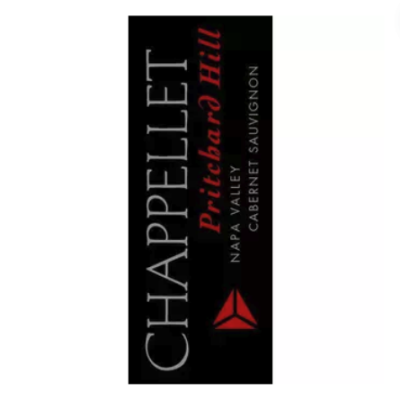
Decanter (99)
Such an attractive and alluring bouquet of violet florals, blue fruit aromatics, sagebrush, bay laurel, and toasty cedarwood. Medium to full-bodied with a wonderfully rich fruit-forward palate of succulent blackberry, plums, and black cherry, nuanced by an inviting minerality with an ironstone quality laced by dried sage. The tannins are palate-etching and crisp and resolve with a fineness that leaves an overall impression of total harmony. Best from 2025; ideally, you'd hold off until near 2030 and enjoy until 2050.Inc. GSTSG$968.25 -

Wine Advocate (94)
In keeping with the house style, Chappellet's Signature bottling is sourced from mountain vineyards, like Stagecoach, Edcora and others. The 2014 Cabernet Sauvignon Signature is a super effort for anyone who still has some in their cellar, offering hints of sage and mint alongside cherry fruit on the nose, while the full-bodied palate boasts a supple, silky feel and a spicy, fresh, almost pine-like finish.Inc. GSTSG$986.89 -
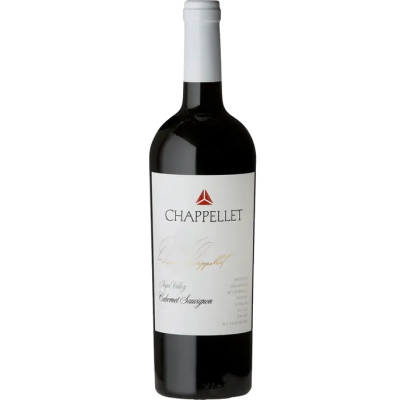
Decanter (96)
Heady and ripe, floral and open on the nose with aromas of cedar, sweet strawberries, spiced plum and herbal-edged raspberries. Crisp and juicy, tight and tense - the tannins have a firm aspect to them really giving this a coiled, concentrated, knitted texture and frame where the dark, ripe fruit drives through the centre but there's lots of liquorice, dark chocolate and clove spice giving the angles and nuance, almost overtaking the fruit. Still, it's well constructed, smooth and long with lovely integrity of juiciness. Lots of Petit Verdot character also gives the singularity and signature. A fine wine with lots to like. Stylish, sophisticated and suave. 3% Merlot completes the blend. Winemaker Phillip Corallo-Titus. 3.78pH.Inc. GSTSG$669.70 -

Decanter (96)
It is a marvellously compact and coiled-up wine with a towering structure. Very beautifully fragrant dried purple flowers and herbs. Full-bodied with loads of succulent ripe blackberry, creme de cassis, graphite, and loamy earth. Very firm, tight-grained tannins form the base note of this wine, and the finish is long and rich in wild herbs and spices. Cellar worthy. It will release internationally in September 2024. It is rounded out with 6% Merlot.Inc. GSTSG$669.49 -
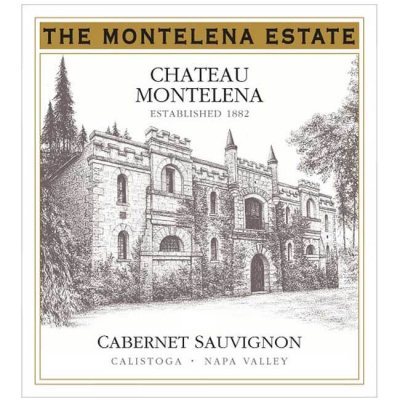 (12x75cl) 1999
Vinous (93+)
Good dark red with no amber showing. Medicinal black fruits, violet, menthol and mint on the nose, complemented by rocky volcanic minerality. Very pure and intense, with its ripe but youthfully primary dark fruit, mineral and bitter chocolate flavors framed by a strong impression of acidity. The tannins are substantial but ripe, with the finish showing lovely subtle flavor development and sneaky building length. Today this wine stands out for its purity and cut and I'd expect it to expand further with more time in the bottle. Barrett did not even start harvesting the small crop (1.8 tons per acre) in '99 until the last day of September, about two weeks later than average. (13.9% alcohol)Inc. GSTSG$2,854.49 -
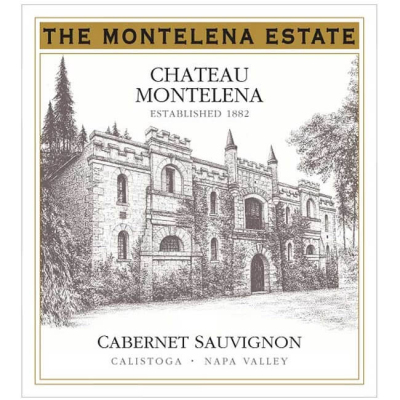 (3x150cl) 2002
Vinous (93)
Bright dark red with ruby highlights. Flamboyantly ripe aromas of candied blackberry and baking spices verge on exotic. Larger-scaled and thicker than the more classically structured 2001, yet somehow still with very good definition to its sweet dark berry, black cherry, tar and earth flavors. This rich, deep, viscous wine finishes with big but suave tannins and lingering sweetness. Our bottle seemed starved of oxygen and expanded dramatically with air. This wine's sheer concentration should keep it going for another 20 years. (14.3% alcohol, the highest since 1978)Inc. GSTSG$1,394.55 -
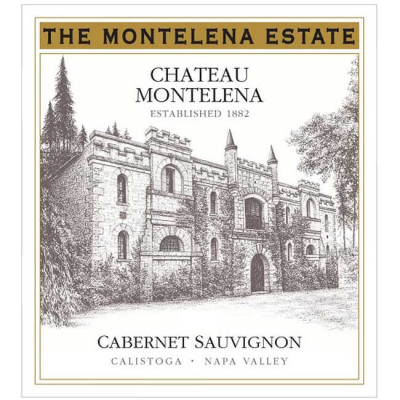
Vinous (93)
Bright dark red with ruby highlights. Flamboyantly ripe aromas of candied blackberry and baking spices verge on exotic. Larger-scaled and thicker than the more classically structured 2001, yet somehow still with very good definition to its sweet dark berry, black cherry, tar and earth flavors. This rich, deep, viscous wine finishes with big but suave tannins and lingering sweetness. Our bottle seemed starved of oxygen and expanded dramatically with air. This wine's sheer concentration should keep it going for another 20 years. (14.3% alcohol, the highest since 1978)Inc. GSTSG$1,443.60 -
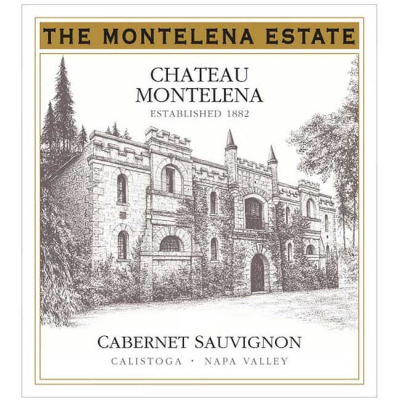
Vinous - Antonio Galloni (94+)
Montelena's 2012 Cabernet Sauvignon Estate is shaping up to be a jewel of a wine. Rich, ample and generous, but very much within the Montelena style, the 2012 captures the essence of the year in its pure resonance and sikiness. Dark red stone fruits, plums, menthol and tobacco with bramby undertones emerge over time, but the flavors are quite primary and undeveloped, all of which bode extremely well for the future. I expected the 2012 will offer a long and broad drinking window of pure pleasure.Inc. GSTSG$1,416.35 -
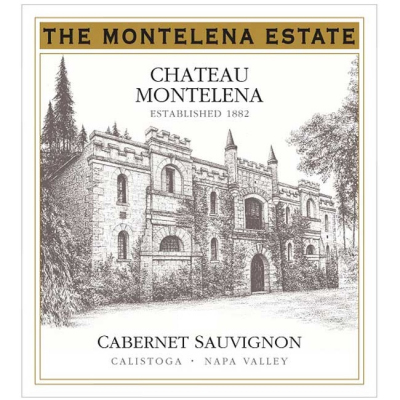
Vinous (94+)
The 2016 Cabernet Sauvignon Estate is dark, ample and totally seductive. Black cherry, mocha, plum, spice, new leather and tobacco all meld together. Pliant and supple, the 2016 is already incredibly delicious. This is an especially mid-weight wine and style. Accordingly, the 2016 Estate will drink well with minimal cellaring. The Estate was bottled just two months before this tasting. I imagine it will put on some weight with further time in bottle. All the elements appear to be in the right place for that to happen.Inc. GSTSG$1,445.17 -
Vinous (94)
(60% malbec and 40% cabernet sauvignon; this wine is a joint venture between Cheval Blanc and Terrazas de los Andes): Bright, saturated medium ruby. Black fruits, tobacco, licorice, wild herbs and an intriguing balsamic note on the nose; as much Bordeaux Right Bank as Argentina in style. Plush, concentrated and sweet; full without any heaviness. Utterly seamless flavors of dark berries, herbs, flowers and earth, plus hints of dried fruits. Really urgent, dense fruit here, with terrific definition and energy. Finishes with noble tannins and outstanding rising length. A fully ripe, outstanding vintage for this consistently excellent bottling.Inc. GSTSG$1,146.05 -
James Suckling (99)
Super refined and beautiful with flowers, spices, dried fruit and hints of stones. Medium to full body with very fine tannins and a gorgeous finish. Shows great finesse and depth. Savory character, as always, but in check. Drink in 2022.Inc. GSTSG$759.14 -
James Suckling (100)
This is the greatest Cheval des Andes ever. Discrete aromas of blackberries, flowers, stone and licorice. So perfumed. The integration of fruit, tannins and acidity is fantastic. Full-bodied, tight and solid with beautiful depth and integrity. Extremely long and exciting. Complex and compelling with such refinement and length. A blend of 62% malbec and 38% cabernet sauvignon. Available in September 2020. Better after 2024.Inc. GSTSG$646.85 -
Wine Advocate (98)
The 2018 Cheval des Andes is a blend of 70% Malbec and 30% Cabernet Sauvignon fermented in small lots in 3,000- to 8,000-liter tanks and matured 40% in 225-liter oak barrels, 40% in 400-liter oak barrels and the remaining 20% in 2,500-liter oak vats for 13 months. Ninety percent of the oak used was French and the rest a blend of Austrian, Slovenian and German oak, 50% of it new. 2018 has been one of the best vintages in recent times in Mendoza, and the wine shows it. It's a cooler vintage, and the wine has improved in freshness and elegance without losing any clout. It's 14.5% alcohol and has a pH of 3.73. This is young, juicy, elegant and balanced and still has some herbal and toasted notes; it's medium to full-bodied, with the creamy and luxurious texture of the modern Bordeaux, ultra fine tannins and a long, dry and precise finish. It's still undeveloped and seems to have all the components and the balance between them for a long and positive development in bottle. With wines like this, I sometimes wish I had a time machine so I could see them in 20 years from now... I think this is the finest Cheval des Andes I've ever tasted. 100,000 bottles produced. It was bottled in January 2020.Inc. GSTSG$516.97 -
Wine Advocate (98)
The 2018 Cheval des Andes is a blend of 70% Malbec and 30% Cabernet Sauvignon fermented in small lots in 3,000- to 8,000-liter tanks and matured 40% in 225-liter oak barrels, 40% in 400-liter oak barrels and the remaining 20% in 2,500-liter oak vats for 13 months. Ninety percent of the oak used was French and the rest a blend of Austrian, Slovenian and German oak, 50% of it new. 2018 has been one of the best vintages in recent times in Mendoza, and the wine shows it. It's a cooler vintage, and the wine has improved in freshness and elegance without losing any clout. It's 14.5% alcohol and has a pH of 3.73. This is young, juicy, elegant and balanced and still has some herbal and toasted notes; it's medium to full-bodied, with the creamy and luxurious texture of the modern Bordeaux, ultra fine tannins and a long, dry and precise finish. It's still undeveloped and seems to have all the components and the balance between them for a long and positive development in bottle. With wines like this, I sometimes wish I had a time machine so I could see them in 20 years from now... I think this is the finest Cheval des Andes I've ever tasted. 100,000 bottles produced. It was bottled in January 2020.Inc. GSTSG$699.15 -
Wine Advocate (98)
The 2018 Cheval des Andes is a blend of 70% Malbec and 30% Cabernet Sauvignon fermented in small lots in 3,000- to 8,000-liter tanks and matured 40% in 225-liter oak barrels, 40% in 400-liter oak barrels and the remaining 20% in 2,500-liter oak vats for 13 months. Ninety percent of the oak used was French and the rest a blend of Austrian, Slovenian and German oak, 50% of it new. 2018 has been one of the best vintages in recent times in Mendoza, and the wine shows it. It's a cooler vintage, and the wine has improved in freshness and elegance without losing any clout. It's 14.5% alcohol and has a pH of 3.73. This is young, juicy, elegant and balanced and still has some herbal and toasted notes; it's medium to full-bodied, with the creamy and luxurious texture of the modern Bordeaux, ultra fine tannins and a long, dry and precise finish. It's still undeveloped and seems to have all the components and the balance between them for a long and positive development in bottle. With wines like this, I sometimes wish I had a time machine so I could see them in 20 years from now... I think this is the finest Cheval des Andes I've ever tasted. 100,000 bottles produced. It was bottled in January 2020.Inc. GSTSG$601.05 -
Tim Atkin MW (99)
Cheval des Andes continues its steady ascent towards the summit of the very best and most sought-after New World reds. I tasted this wine over the space of a day and was very close to giving it 100 points. Made from an equal blend of Malbec and Cabernet Sauvignon, it combines fruit from Las Compuertas and Paraje Altamira to brilliant effect. Aged in 50% new barrels and foudres, it’s effortlessly complex and detailed, with refined tannins, graphite and cut grass aromas, cassis and bramble flavours and remarkable palate length.Inc. GSTSG$505.72 -
Tim Atkin MW (99)
Cheval des Andes continues its steady ascent towards the summit of the very best and most sought-after New World reds. I tasted this wine over the space of a day and was very close to giving it 100 points. Made from an equal blend of Malbec and Cabernet Sauvignon, it combines fruit from Las Compuertas and Paraje Altamira to brilliant effect. Aged in 50% new barrels and foudres, it’s effortlessly complex and detailed, with refined tannins, graphite and cut grass aromas, cassis and bramble flavours and remarkable palate length.Inc. GSTSG$728.60 -
Tim Atkin MW (99)
Cheval des Andes continues its steady ascent towards the summit of the very best and most sought-after New World reds. I tasted this wine over the space of a day and was very close to giving it 100 points. Made from an equal blend of Malbec and Cabernet Sauvignon, it combines fruit from Las Compuertas and Paraje Altamira to brilliant effect. Aged in 50% new barrels and foudres, it’s effortlessly complex and detailed, with refined tannins, graphite and cut grass aromas, cassis and bramble flavours and remarkable palate length.Inc. GSTSG$685.00 -
Wine Advocate (98)
The 2020 Cheval des Andes was harvested from the last of February for the first time ever. It was Gabillet's second vintage at Cheval des Andes, and that year, he had to start without waiting for Pierre Olivier Clouet and Pierre Lurton from Cheval Blanc; when they arrived, they had finished picking the Malbec, which surprisingly was fresher in Las Compuertas (because of the higher percentage of clay?) than in Altamira (where the vines suffered more stress), saving the freshness. They now harvest using cold trucks (for the first time), and they also started earlier in the morning (six in the morning, impossible earlier in Mendoza...), which he reckons was very good for the precision of the wine. They used 40% 225-liter barrels, 40% 400-liter oak barrels and 20% 2,500-liter foudres, half of them new and with an élevage of 15 months on average, depending on the lots and varieties from 12 to 18 months. The final blend was 49% Cabernet Sauvignon, 29% Malbec and 2% Petit Verdot, which makes a comeback as it was not used since 2016. The key was to finish the fermentation of the Petit Verdot without skins, and that way, they have been able to use it in the blends of 2021, 2022 and 2023 in small but increasing percentages. This is slightly riper than 2019, with a little more alcohol (14.5%) and with very good structural tannins but saving the freshness, and it has the spicy side from the Petit Verdot (Gabillet talks about white pepper). The wine has the ultra sleek and polished texture and the elegance and the balance that is the signature here; the wine is very clean and precise. I see very good regularity across the three vintages I tasted next to each other—this 2020 and the 2018 and 2019. Overall, this is a triumph over the adverse conditions of the vintage. They produced their usual 100,000 bottles (since 2018), as they are renewing their vineyards and want to keep the volume stable. They produce this volume from the 36 productive hectares they have in Las Compuertas and Altamira. There are some more changes: in 2020, they went for a lighter bottle, weighing 100 grams less than the one they used in 2018 and 2019, but close to 300 grams less than the bottle from before. It's also a slimmer bottle, always thinking about the environment. They are very focused on agroecology, accelerating the regenerative viticulture and using cover crops; they have planted 1,900 trees in the last three years, creating small clusters of biodiversity for birds. They have transplanted some centenary olive trees and keep their sheep and lamas on the property. Very green-minded.Inc. GSTSG$491.90 -
Wine Advocate (98)
The 2020 Cheval des Andes was harvested from the last of February for the first time ever. It was Gabillet's second vintage at Cheval des Andes, and that year, he had to start without waiting for Pierre Olivier Clouet and Pierre Lurton from Cheval Blanc; when they arrived, they had finished picking the Malbec, which surprisingly was fresher in Las Compuertas (because of the higher percentage of clay?) than in Altamira (where the vines suffered more stress), saving the freshness. They now harvest using cold trucks (for the first time), and they also started earlier in the morning (six in the morning, impossible earlier in Mendoza...), which he reckons was very good for the precision of the wine. They used 40% 225-liter barrels, 40% 400-liter oak barrels and 20% 2,500-liter foudres, half of them new and with an élevage of 15 months on average, depending on the lots and varieties from 12 to 18 months. The final blend was 49% Cabernet Sauvignon, 29% Malbec and 2% Petit Verdot, which makes a comeback as it was not used since 2016. The key was to finish the fermentation of the Petit Verdot without skins, and that way, they have been able to use it in the blends of 2021, 2022 and 2023 in small but increasing percentages. This is slightly riper than 2019, with a little more alcohol (14.5%) and with very good structural tannins but saving the freshness, and it has the spicy side from the Petit Verdot (Gabillet talks about white pepper). The wine has the ultra sleek and polished texture and the elegance and the balance that is the signature here; the wine is very clean and precise. I see very good regularity across the three vintages I tasted next to each other—this 2020 and the 2018 and 2019. Overall, this is a triumph over the adverse conditions of the vintage. They produced their usual 100,000 bottles (since 2018), as they are renewing their vineyards and want to keep the volume stable. They produce this volume from the 36 productive hectares they have in Las Compuertas and Altamira. There are some more changes: in 2020, they went for a lighter bottle, weighing 100 grams less than the one they used in 2018 and 2019, but close to 300 grams less than the bottle from before. It's also a slimmer bottle, always thinking about the environment. They are very focused on agroecology, accelerating the regenerative viticulture and using cover crops; they have planted 1,900 trees in the last three years, creating small clusters of biodiversity for birds. They have transplanted some centenary olive trees and keep their sheep and lamas on the property. Very green-minded.Inc. GSTSG$723.13 -
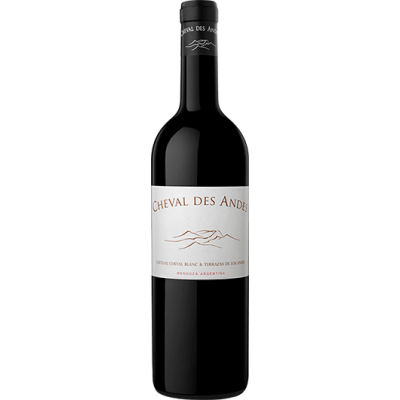
Wine Advocate (98)
The 2020 Cheval des Andes was harvested from the last of February for the first time ever. It was Gabillet's second vintage at Cheval des Andes, and that year, he had to start without waiting for Pierre Olivier Clouet and Pierre Lurton from Cheval Blanc; when they arrived, they had finished picking the Malbec, which surprisingly was fresher in Las Compuertas (because of the higher percentage of clay?) than in Altamira (where the vines suffered more stress), saving the freshness. They now harvest using cold trucks (for the first time), and they also started earlier in the morning (six in the morning, impossible earlier in Mendoza...), which he reckons was very good for the precision of the wine. They used 40% 225-liter barrels, 40% 400-liter oak barrels and 20% 2,500-liter foudres, half of them new and with an élevage of 15 months on average, depending on the lots and varieties from 12 to 18 months. The final blend was 49% Cabernet Sauvignon, 29% Malbec and 2% Petit Verdot, which makes a comeback as it was not used since 2016. The key was to finish the fermentation of the Petit Verdot without skins, and that way, they have been able to use it in the blends of 2021, 2022 and 2023 in small but increasing percentages. This is slightly riper than 2019, with a little more alcohol (14.5%) and with very good structural tannins but saving the freshness, and it has the spicy side from the Petit Verdot (Gabillet talks about white pepper). The wine has the ultra sleek and polished texture and the elegance and the balance that is the signature here; the wine is very clean and precise. I see very good regularity across the three vintages I tasted next to each other—this 2020 and the 2018 and 2019. Overall, this is a triumph over the adverse conditions of the vintage. They produced their usual 100,000 bottles (since 2018), as they are renewing their vineyards and want to keep the volume stable. They produce this volume from the 36 productive hectares they have in Las Compuertas and Altamira. There are some more changes: in 2020, they went for a lighter bottle, weighing 100 grams less than the one they used in 2018 and 2019, but close to 300 grams less than the bottle from before. It's also a slimmer bottle, always thinking about the environment. They are very focused on agroecology, accelerating the regenerative viticulture and using cover crops; they have planted 1,900 trees in the last three years, creating small clusters of biodiversity for birds. They have transplanted some centenary olive trees and keep their sheep and lamas on the property. Very green-minded.Inc. GSTSG$687.16

-
(1x75cl) 2012
Vinous (94+)
The 2012 Cabernet Sauvignon Pritchard Hill is rich and explosive, with tons of concentration, depth and structure. Dark blue and black fruit, mocha, smoke, menthol, licorice and spices all burst from the glass as this huge, tannic Cabernet Sauvignon shows off its pure class. Readers will have to be patient with the 2012, a wine that will blow the roof off the house with its unbridled power.In BondSG$839.00 -
(1x75cl) 2013
Vinous (96)
A deep, inky wine, the 2013 Cabernet Sauvignon Pritchard Hill exudes richness and concentration. Blackberry jam, crème de cassis, graphite, mocha, smoke and spices meld together as this ample, structured Cabernet Sauvignon shows off its personality. The Pritchard Hill is made in a ripe, concentrated style that is quite typical of the vintage. At the same time, the impact of heavier extractions and more new oak also shapes the wine to a significant degree. I am not sure the Pritchard Hill is meaningfully more complex than the Signature, but it is quite striking just the same. As good as the 2013 is today - and it is terrific - my sense is that it would be even better with less oak influence. This is an especially somber, virile Cabernet Sauvignon from Chappellet.In BondSG$524.00 -
Vinous (96)
A deep, inky wine, the 2013 Cabernet Sauvignon Pritchard Hill exudes richness and concentration. Blackberry jam, crème de cassis, graphite, mocha, smoke and spices meld together as this ample, structured Cabernet Sauvignon shows off its personality. The Pritchard Hill is made in a ripe, concentrated style that is quite typical of the vintage. At the same time, the impact of heavier extractions and more new oak also shapes the wine to a significant degree. I am not sure the Pritchard Hill is meaningfully more complex than the Signature, but it is quite striking just the same. As good as the 2013 is today - and it is terrific - my sense is that it would be even better with less oak influence. This is an especially somber, virile Cabernet Sauvignon from Chappellet.In BondSG$2,540.00 -
(6x75cl) 2014
Wine Advocate (97)
Drinking beautifully, the 2014 Cabernet Sauvignon Pritchard Hill boasts classic aromas of mint, sage and ripe cherries. I don't see it as being quite as long-lived as previous reviewers, but the quality is definitely at an extremely high level. Full-bodied, it's supple, creamy and lush on the palate yet still shows ample freshness and vivacity and a long, silky finish.In BondSG$2,280.00 -
(6x75cl) 2015
Jeb Dunnuck (100)
Also inky colored, the 2015 Cabernet Sauvignon Pritchard Hill comes from the estate vineyard on Pritchard Hill and spent 22 months in new French oak. It has a similar level of purity, as well as incredible minerality, to go with notes of crème de cassis, scorched earth, crushed rock, and graphite. Reminiscent of liking a rock with its insane level of minerality, this full-bodied beauty is tight and closed on the palate, yet is just loaded with potential. It’s only for those with cold cellars and needs forgotten for 7-8 years, but will keep for 4-5 decades. Bravo!In BondSG$4,000.00 -
Jeb Dunnuck (100)
Cut from the same cloth with the intensity turned all the way up, but with no loss of purity or elegance, the heavenly 2016 Cabernet Sauvignon Pritchard Hill Cabernet Sauvignon is a worthy follow up to the otherworldly 2015. Awesome notes of crème de cassis, gamey blueberries, sappy underbrush/mountain scrub brush, flowery incense and crushed rocks all literally soar from the glass of this full-bodied beauty. Hitting the palate with awesome intensity and depth, it stays magically weightless and seamless, with both structure and considerable opulence. Don't miss this wine. I followed this wine for multiple days and it never budged an inch with regard to evolution and oxidation. It's going to keep for 3-4 decades.In BondSG$4,010.00 -
Jane Anson Inside Bordeaux (99)
This is a great example of mountain fruit Cabernet, from celebrated winemaker Philip Corallo-Titus and director David Frankie. Glass-staining ruby in colour; intense and concentrated, with inky waves of blueberry and cassis fruits, blocks of bitter black chocolate, velvety tannins that take their time to let the fruit out. This is a tiny production wine from the wonderful 2019 vintage (for me, flying against some of the American critics). Delicious. First time on the Place de Bordeaux, and a standout in the year's wines. 100% new French oak.In BondSG$781.00 -
Jane Anson Inside Bordeaux (99)
This is a great example of mountain fruit Cabernet, from celebrated winemaker Philip Corallo-Titus and director David Frankie. Glass-staining ruby in colour; intense and concentrated, with inky waves of blueberry and cassis fruits, blocks of bitter black chocolate, velvety tannins that take their time to let the fruit out. This is a tiny production wine from the wonderful 2019 vintage (for me, flying against some of the American critics). Delicious. First time on the Place de Bordeaux, and a standout in the year's wines. 100% new French oak.In BondSG$1,700.00 -
Decanter (99)
Such an attractive and alluring bouquet of violet florals, blue fruit aromatics, sagebrush, bay laurel, and toasty cedarwood. Medium to full-bodied with a wonderfully rich fruit-forward palate of succulent blackberry, plums, and black cherry, nuanced by an inviting minerality with an ironstone quality laced by dried sage. The tannins are palate-etching and crisp and resolve with a fineness that leaves an overall impression of total harmony. Best from 2025; ideally, you'd hold off until near 2030 and enjoy until 2050.In BondSG$380.00 -
Decanter (99)
Such an attractive and alluring bouquet of violet florals, blue fruit aromatics, sagebrush, bay laurel, and toasty cedarwood. Medium to full-bodied with a wonderfully rich fruit-forward palate of succulent blackberry, plums, and black cherry, nuanced by an inviting minerality with an ironstone quality laced by dried sage. The tannins are palate-etching and crisp and resolve with a fineness that leaves an overall impression of total harmony. Best from 2025; ideally, you'd hold off until near 2030 and enjoy until 2050.In BondSG$859.00 -
Wine Advocate (94)
In keeping with the house style, Chappellet's Signature bottling is sourced from mountain vineyards, like Stagecoach, Edcora and others. The 2014 Cabernet Sauvignon Signature is a super effort for anyone who still has some in their cellar, offering hints of sage and mint alongside cherry fruit on the nose, while the full-bodied palate boasts a supple, silky feel and a spicy, fresh, almost pine-like finish.In BondSG$846.00 -
Decanter (96)
Heady and ripe, floral and open on the nose with aromas of cedar, sweet strawberries, spiced plum and herbal-edged raspberries. Crisp and juicy, tight and tense - the tannins have a firm aspect to them really giving this a coiled, concentrated, knitted texture and frame where the dark, ripe fruit drives through the centre but there's lots of liquorice, dark chocolate and clove spice giving the angles and nuance, almost overtaking the fruit. Still, it's well constructed, smooth and long with lovely integrity of juiciness. Lots of Petit Verdot character also gives the singularity and signature. A fine wine with lots to like. Stylish, sophisticated and suave. 3% Merlot completes the blend. Winemaker Phillip Corallo-Titus. 3.78pH.In BondSG$555.00 -
Decanter (96)
It is a marvellously compact and coiled-up wine with a towering structure. Very beautifully fragrant dried purple flowers and herbs. Full-bodied with loads of succulent ripe blackberry, creme de cassis, graphite, and loamy earth. Very firm, tight-grained tannins form the base note of this wine, and the finish is long and rich in wild herbs and spices. Cellar worthy. It will release internationally in September 2024. It is rounded out with 6% Merlot.In BondSG$556.00 -
(12x75cl) 1999
Vinous (93+)
Good dark red with no amber showing. Medicinal black fruits, violet, menthol and mint on the nose, complemented by rocky volcanic minerality. Very pure and intense, with its ripe but youthfully primary dark fruit, mineral and bitter chocolate flavors framed by a strong impression of acidity. The tannins are substantial but ripe, with the finish showing lovely subtle flavor development and sneaky building length. Today this wine stands out for its purity and cut and I'd expect it to expand further with more time in the bottle. Barrett did not even start harvesting the small crop (1.8 tons per acre) in '99 until the last day of September, about two weeks later than average. (13.9% alcohol)In BondSG$2,500.00 -
(3x150cl) 2002
Vinous (93)
Bright dark red with ruby highlights. Flamboyantly ripe aromas of candied blackberry and baking spices verge on exotic. Larger-scaled and thicker than the more classically structured 2001, yet somehow still with very good definition to its sweet dark berry, black cherry, tar and earth flavors. This rich, deep, viscous wine finishes with big but suave tannins and lingering sweetness. Our bottle seemed starved of oxygen and expanded dramatically with air. This wine's sheer concentration should keep it going for another 20 years. (14.3% alcohol, the highest since 1978)In BondSG$1,220.00 -
Vinous (93)
Bright dark red with ruby highlights. Flamboyantly ripe aromas of candied blackberry and baking spices verge on exotic. Larger-scaled and thicker than the more classically structured 2001, yet somehow still with very good definition to its sweet dark berry, black cherry, tar and earth flavors. This rich, deep, viscous wine finishes with big but suave tannins and lingering sweetness. Our bottle seemed starved of oxygen and expanded dramatically with air. This wine's sheer concentration should keep it going for another 20 years. (14.3% alcohol, the highest since 1978)In BondSG$1,265.00 -
Vinous - Antonio Galloni (94+)
Montelena's 2012 Cabernet Sauvignon Estate is shaping up to be a jewel of a wine. Rich, ample and generous, but very much within the Montelena style, the 2012 captures the essence of the year in its pure resonance and sikiness. Dark red stone fruits, plums, menthol and tobacco with bramby undertones emerge over time, but the flavors are quite primary and undeveloped, all of which bode extremely well for the future. I expected the 2012 will offer a long and broad drinking window of pure pleasure.In BondSG$1,240.00 -
Vinous (94+)
The 2016 Cabernet Sauvignon Estate is dark, ample and totally seductive. Black cherry, mocha, plum, spice, new leather and tobacco all meld together. Pliant and supple, the 2016 is already incredibly delicious. This is an especially mid-weight wine and style. Accordingly, the 2016 Estate will drink well with minimal cellaring. The Estate was bottled just two months before this tasting. I imagine it will put on some weight with further time in bottle. All the elements appear to be in the right place for that to happen.In BondSG$1,270.00 -
Vinous (94)
(60% malbec and 40% cabernet sauvignon; this wine is a joint venture between Cheval Blanc and Terrazas de los Andes): Bright, saturated medium ruby. Black fruits, tobacco, licorice, wild herbs and an intriguing balsamic note on the nose; as much Bordeaux Right Bank as Argentina in style. Plush, concentrated and sweet; full without any heaviness. Utterly seamless flavors of dark berries, herbs, flowers and earth, plus hints of dried fruits. Really urgent, dense fruit here, with terrific definition and energy. Finishes with noble tannins and outstanding rising length. A fully ripe, outstanding vintage for this consistently excellent bottling.In BondSG$994.00 -
James Suckling (99)
Super refined and beautiful with flowers, spices, dried fruit and hints of stones. Medium to full body with very fine tannins and a gorgeous finish. Shows great finesse and depth. Savory character, as always, but in check. Drink in 2022.In BondSG$643.00 -
James Suckling (100)
This is the greatest Cheval des Andes ever. Discrete aromas of blackberries, flowers, stone and licorice. So perfumed. The integration of fruit, tannins and acidity is fantastic. Full-bodied, tight and solid with beautiful depth and integrity. Extremely long and exciting. Complex and compelling with such refinement and length. A blend of 62% malbec and 38% cabernet sauvignon. Available in September 2020. Better after 2024.In BondSG$538.00 -
Wine Advocate (98)
The 2018 Cheval des Andes is a blend of 70% Malbec and 30% Cabernet Sauvignon fermented in small lots in 3,000- to 8,000-liter tanks and matured 40% in 225-liter oak barrels, 40% in 400-liter oak barrels and the remaining 20% in 2,500-liter oak vats for 13 months. Ninety percent of the oak used was French and the rest a blend of Austrian, Slovenian and German oak, 50% of it new. 2018 has been one of the best vintages in recent times in Mendoza, and the wine shows it. It's a cooler vintage, and the wine has improved in freshness and elegance without losing any clout. It's 14.5% alcohol and has a pH of 3.73. This is young, juicy, elegant and balanced and still has some herbal and toasted notes; it's medium to full-bodied, with the creamy and luxurious texture of the modern Bordeaux, ultra fine tannins and a long, dry and precise finish. It's still undeveloped and seems to have all the components and the balance between them for a long and positive development in bottle. With wines like this, I sometimes wish I had a time machine so I could see them in 20 years from now... I think this is the finest Cheval des Andes I've ever tasted. 100,000 bottles produced. It was bottled in January 2020.In BondSG$436.00 -
Wine Advocate (98)
The 2018 Cheval des Andes is a blend of 70% Malbec and 30% Cabernet Sauvignon fermented in small lots in 3,000- to 8,000-liter tanks and matured 40% in 225-liter oak barrels, 40% in 400-liter oak barrels and the remaining 20% in 2,500-liter oak vats for 13 months. Ninety percent of the oak used was French and the rest a blend of Austrian, Slovenian and German oak, 50% of it new. 2018 has been one of the best vintages in recent times in Mendoza, and the wine shows it. It's a cooler vintage, and the wine has improved in freshness and elegance without losing any clout. It's 14.5% alcohol and has a pH of 3.73. This is young, juicy, elegant and balanced and still has some herbal and toasted notes; it's medium to full-bodied, with the creamy and luxurious texture of the modern Bordeaux, ultra fine tannins and a long, dry and precise finish. It's still undeveloped and seems to have all the components and the balance between them for a long and positive development in bottle. With wines like this, I sometimes wish I had a time machine so I could see them in 20 years from now... I think this is the finest Cheval des Andes I've ever tasted. 100,000 bottles produced. It was bottled in January 2020.In BondSG$584.00 -
Wine Advocate (98)
The 2018 Cheval des Andes is a blend of 70% Malbec and 30% Cabernet Sauvignon fermented in small lots in 3,000- to 8,000-liter tanks and matured 40% in 225-liter oak barrels, 40% in 400-liter oak barrels and the remaining 20% in 2,500-liter oak vats for 13 months. Ninety percent of the oak used was French and the rest a blend of Austrian, Slovenian and German oak, 50% of it new. 2018 has been one of the best vintages in recent times in Mendoza, and the wine shows it. It's a cooler vintage, and the wine has improved in freshness and elegance without losing any clout. It's 14.5% alcohol and has a pH of 3.73. This is young, juicy, elegant and balanced and still has some herbal and toasted notes; it's medium to full-bodied, with the creamy and luxurious texture of the modern Bordeaux, ultra fine tannins and a long, dry and precise finish. It's still undeveloped and seems to have all the components and the balance between them for a long and positive development in bottle. With wines like this, I sometimes wish I had a time machine so I could see them in 20 years from now... I think this is the finest Cheval des Andes I've ever tasted. 100,000 bottles produced. It was bottled in January 2020.In BondSG$494.00 -
Tim Atkin MW (99)
Cheval des Andes continues its steady ascent towards the summit of the very best and most sought-after New World reds. I tasted this wine over the space of a day and was very close to giving it 100 points. Made from an equal blend of Malbec and Cabernet Sauvignon, it combines fruit from Las Compuertas and Paraje Altamira to brilliant effect. Aged in 50% new barrels and foudres, it’s effortlessly complex and detailed, with refined tannins, graphite and cut grass aromas, cassis and bramble flavours and remarkable palate length.In BondSG$427.00 -
Tim Atkin MW (99)
Cheval des Andes continues its steady ascent towards the summit of the very best and most sought-after New World reds. I tasted this wine over the space of a day and was very close to giving it 100 points. Made from an equal blend of Malbec and Cabernet Sauvignon, it combines fruit from Las Compuertas and Paraje Altamira to brilliant effect. Aged in 50% new barrels and foudres, it’s effortlessly complex and detailed, with refined tannins, graphite and cut grass aromas, cassis and bramble flavours and remarkable palate length.In BondSG$613.00 -
Tim Atkin MW (99)
Cheval des Andes continues its steady ascent towards the summit of the very best and most sought-after New World reds. I tasted this wine over the space of a day and was very close to giving it 100 points. Made from an equal blend of Malbec and Cabernet Sauvignon, it combines fruit from Las Compuertas and Paraje Altamira to brilliant effect. Aged in 50% new barrels and foudres, it’s effortlessly complex and detailed, with refined tannins, graphite and cut grass aromas, cassis and bramble flavours and remarkable palate length.In BondSG$573.00 -
Wine Advocate (98)
The 2020 Cheval des Andes was harvested from the last of February for the first time ever. It was Gabillet's second vintage at Cheval des Andes, and that year, he had to start without waiting for Pierre Olivier Clouet and Pierre Lurton from Cheval Blanc; when they arrived, they had finished picking the Malbec, which surprisingly was fresher in Las Compuertas (because of the higher percentage of clay?) than in Altamira (where the vines suffered more stress), saving the freshness. They now harvest using cold trucks (for the first time), and they also started earlier in the morning (six in the morning, impossible earlier in Mendoza...), which he reckons was very good for the precision of the wine. They used 40% 225-liter barrels, 40% 400-liter oak barrels and 20% 2,500-liter foudres, half of them new and with an élevage of 15 months on average, depending on the lots and varieties from 12 to 18 months. The final blend was 49% Cabernet Sauvignon, 29% Malbec and 2% Petit Verdot, which makes a comeback as it was not used since 2016. The key was to finish the fermentation of the Petit Verdot without skins, and that way, they have been able to use it in the blends of 2021, 2022 and 2023 in small but increasing percentages. This is slightly riper than 2019, with a little more alcohol (14.5%) and with very good structural tannins but saving the freshness, and it has the spicy side from the Petit Verdot (Gabillet talks about white pepper). The wine has the ultra sleek and polished texture and the elegance and the balance that is the signature here; the wine is very clean and precise. I see very good regularity across the three vintages I tasted next to each other—this 2020 and the 2018 and 2019. Overall, this is a triumph over the adverse conditions of the vintage. They produced their usual 100,000 bottles (since 2018), as they are renewing their vineyards and want to keep the volume stable. They produce this volume from the 36 productive hectares they have in Las Compuertas and Altamira. There are some more changes: in 2020, they went for a lighter bottle, weighing 100 grams less than the one they used in 2018 and 2019, but close to 300 grams less than the bottle from before. It's also a slimmer bottle, always thinking about the environment. They are very focused on agroecology, accelerating the regenerative viticulture and using cover crops; they have planted 1,900 trees in the last three years, creating small clusters of biodiversity for birds. They have transplanted some centenary olive trees and keep their sheep and lamas on the property. Very green-minded.In BondSG$413.00 -
Wine Advocate (98)
The 2020 Cheval des Andes was harvested from the last of February for the first time ever. It was Gabillet's second vintage at Cheval des Andes, and that year, he had to start without waiting for Pierre Olivier Clouet and Pierre Lurton from Cheval Blanc; when they arrived, they had finished picking the Malbec, which surprisingly was fresher in Las Compuertas (because of the higher percentage of clay?) than in Altamira (where the vines suffered more stress), saving the freshness. They now harvest using cold trucks (for the first time), and they also started earlier in the morning (six in the morning, impossible earlier in Mendoza...), which he reckons was very good for the precision of the wine. They used 40% 225-liter barrels, 40% 400-liter oak barrels and 20% 2,500-liter foudres, half of them new and with an élevage of 15 months on average, depending on the lots and varieties from 12 to 18 months. The final blend was 49% Cabernet Sauvignon, 29% Malbec and 2% Petit Verdot, which makes a comeback as it was not used since 2016. The key was to finish the fermentation of the Petit Verdot without skins, and that way, they have been able to use it in the blends of 2021, 2022 and 2023 in small but increasing percentages. This is slightly riper than 2019, with a little more alcohol (14.5%) and with very good structural tannins but saving the freshness, and it has the spicy side from the Petit Verdot (Gabillet talks about white pepper). The wine has the ultra sleek and polished texture and the elegance and the balance that is the signature here; the wine is very clean and precise. I see very good regularity across the three vintages I tasted next to each other—this 2020 and the 2018 and 2019. Overall, this is a triumph over the adverse conditions of the vintage. They produced their usual 100,000 bottles (since 2018), as they are renewing their vineyards and want to keep the volume stable. They produce this volume from the 36 productive hectares they have in Las Compuertas and Altamira. There are some more changes: in 2020, they went for a lighter bottle, weighing 100 grams less than the one they used in 2018 and 2019, but close to 300 grams less than the bottle from before. It's also a slimmer bottle, always thinking about the environment. They are very focused on agroecology, accelerating the regenerative viticulture and using cover crops; they have planted 1,900 trees in the last three years, creating small clusters of biodiversity for birds. They have transplanted some centenary olive trees and keep their sheep and lamas on the property. Very green-minded.In BondSG$606.00 -
Wine Advocate (98)
The 2020 Cheval des Andes was harvested from the last of February for the first time ever. It was Gabillet's second vintage at Cheval des Andes, and that year, he had to start without waiting for Pierre Olivier Clouet and Pierre Lurton from Cheval Blanc; when they arrived, they had finished picking the Malbec, which surprisingly was fresher in Las Compuertas (because of the higher percentage of clay?) than in Altamira (where the vines suffered more stress), saving the freshness. They now harvest using cold trucks (for the first time), and they also started earlier in the morning (six in the morning, impossible earlier in Mendoza...), which he reckons was very good for the precision of the wine. They used 40% 225-liter barrels, 40% 400-liter oak barrels and 20% 2,500-liter foudres, half of them new and with an élevage of 15 months on average, depending on the lots and varieties from 12 to 18 months. The final blend was 49% Cabernet Sauvignon, 29% Malbec and 2% Petit Verdot, which makes a comeback as it was not used since 2016. The key was to finish the fermentation of the Petit Verdot without skins, and that way, they have been able to use it in the blends of 2021, 2022 and 2023 in small but increasing percentages. This is slightly riper than 2019, with a little more alcohol (14.5%) and with very good structural tannins but saving the freshness, and it has the spicy side from the Petit Verdot (Gabillet talks about white pepper). The wine has the ultra sleek and polished texture and the elegance and the balance that is the signature here; the wine is very clean and precise. I see very good regularity across the three vintages I tasted next to each other—this 2020 and the 2018 and 2019. Overall, this is a triumph over the adverse conditions of the vintage. They produced their usual 100,000 bottles (since 2018), as they are renewing their vineyards and want to keep the volume stable. They produce this volume from the 36 productive hectares they have in Las Compuertas and Altamira. There are some more changes: in 2020, they went for a lighter bottle, weighing 100 grams less than the one they used in 2018 and 2019, but close to 300 grams less than the bottle from before. It's also a slimmer bottle, always thinking about the environment. They are very focused on agroecology, accelerating the regenerative viticulture and using cover crops; they have planted 1,900 trees in the last three years, creating small clusters of biodiversity for birds. They have transplanted some centenary olive trees and keep their sheep and lamas on the property. Very green-minded.In BondSG$573.00
North America is somewhat difficult to pigeonhole – though technically ‘new world’, it is In the Northern Hemisphere, and the wines have the same devoted fan base (and often first-growth prices) as many classic European wines. Cooler climate Cabs, Merlots, Pinots, Chardonnays and Rieslings with old-world structure can all be found, though if anything is lacking by comparison it is consistency.
South America is an exciting new melting pot of styles and flavours with a range of soils types and altitudes – taking international varietals and finishing with French winemaking techniques, or in the case of Argentinian Malbec, adopting a largely unloved grape and making it their own.